OSSA
Bringing the collection into the light…
Bringing the collection into the light…
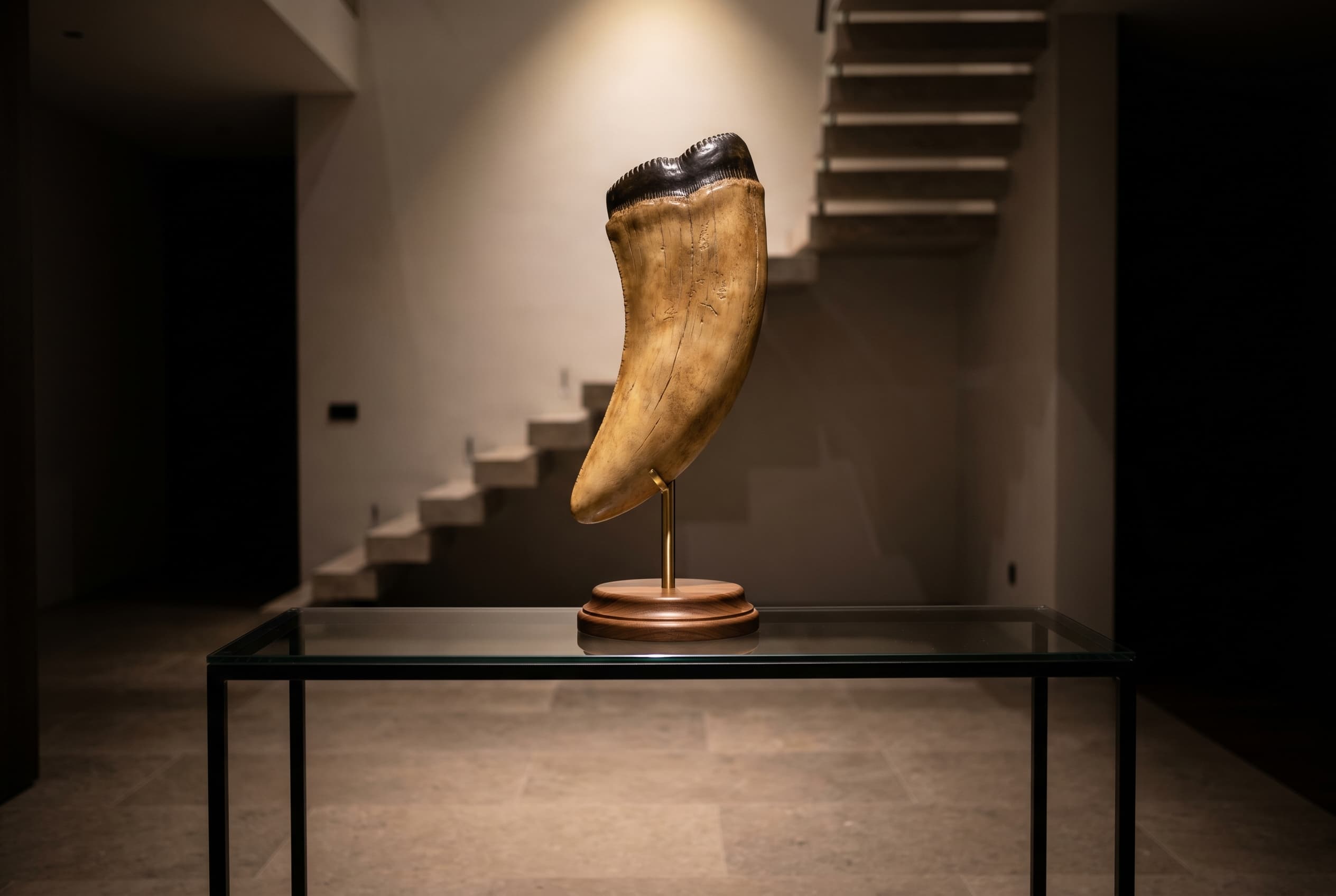
A single bone-crushing tooth, held in the palm.
 Cast preview
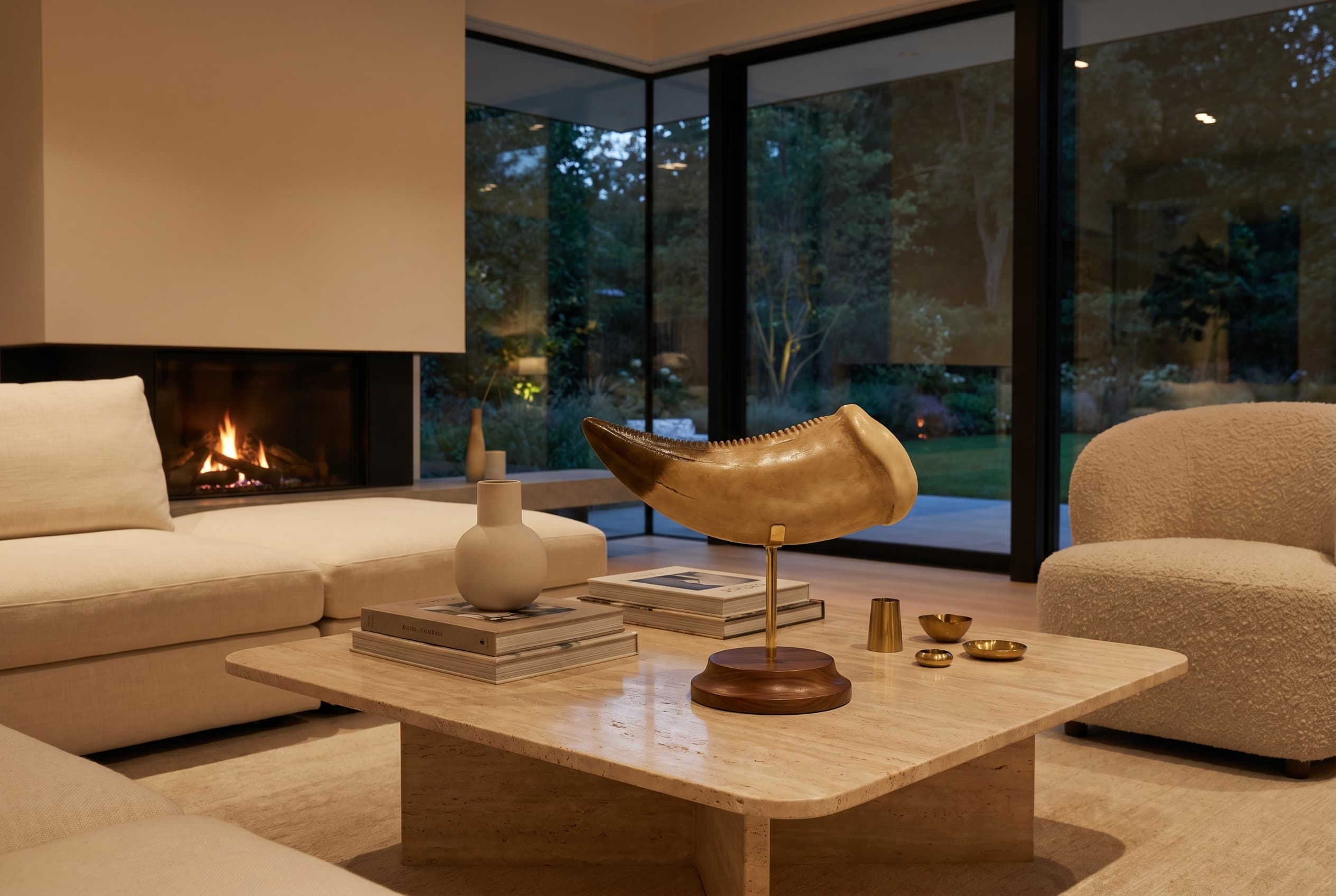
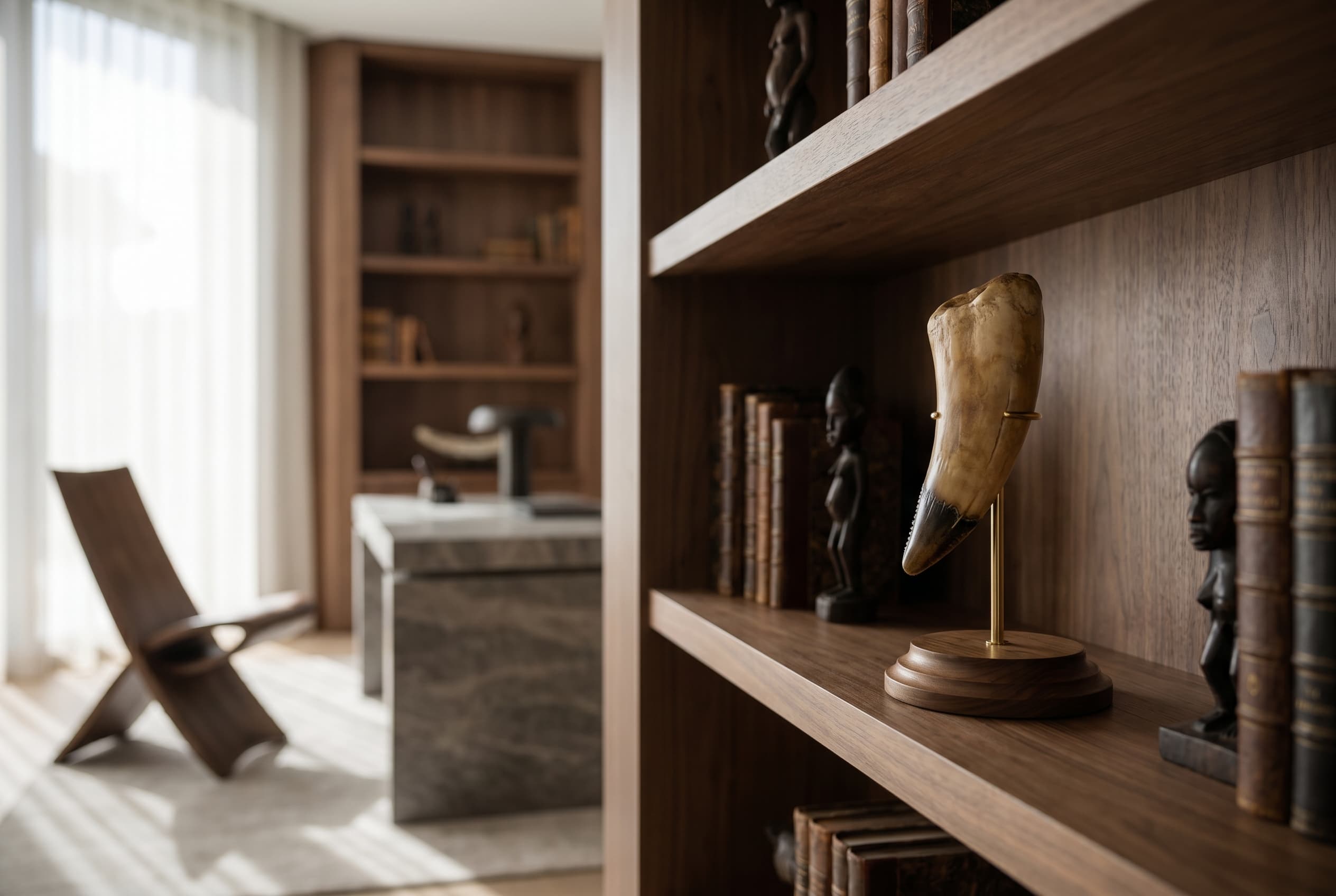
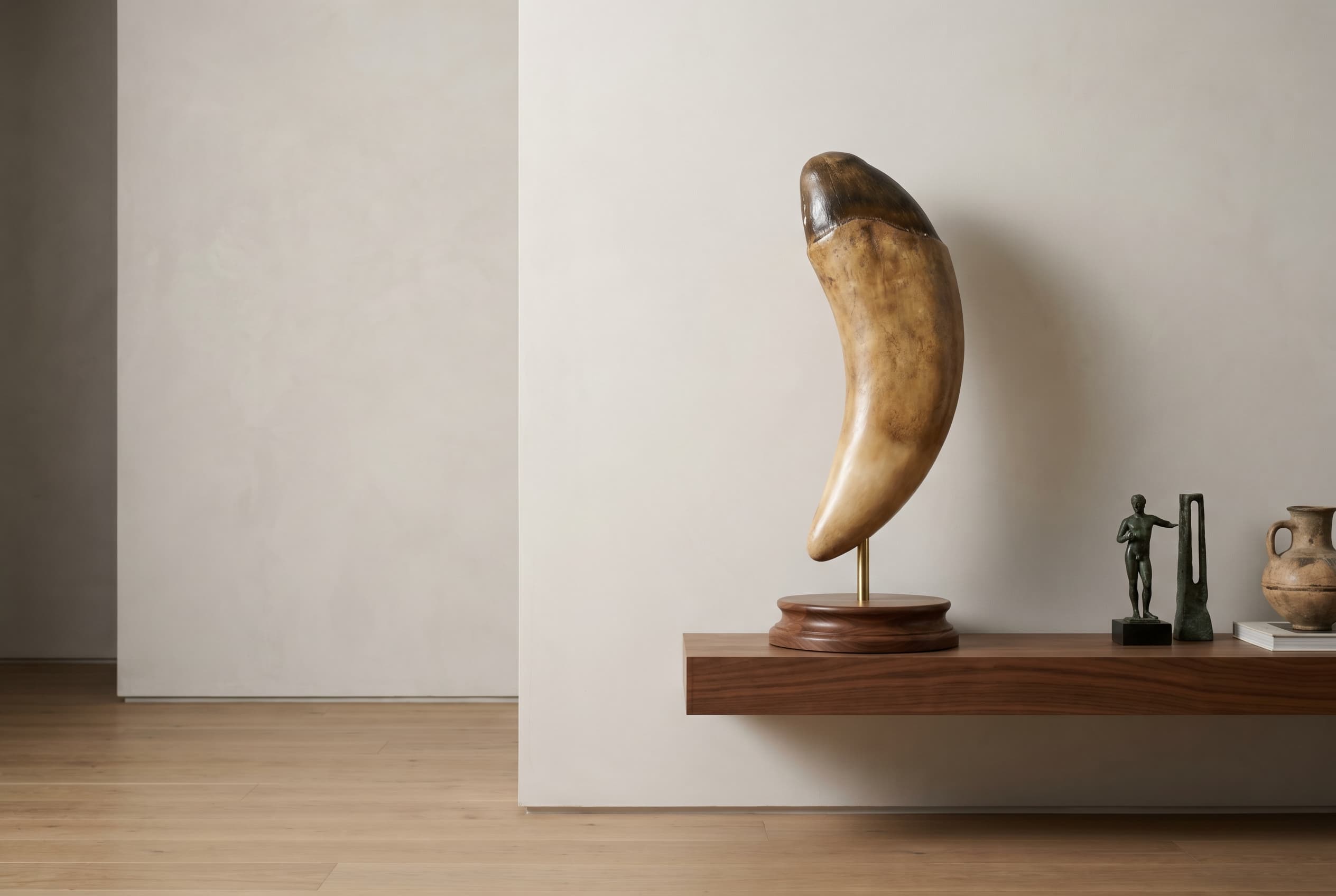
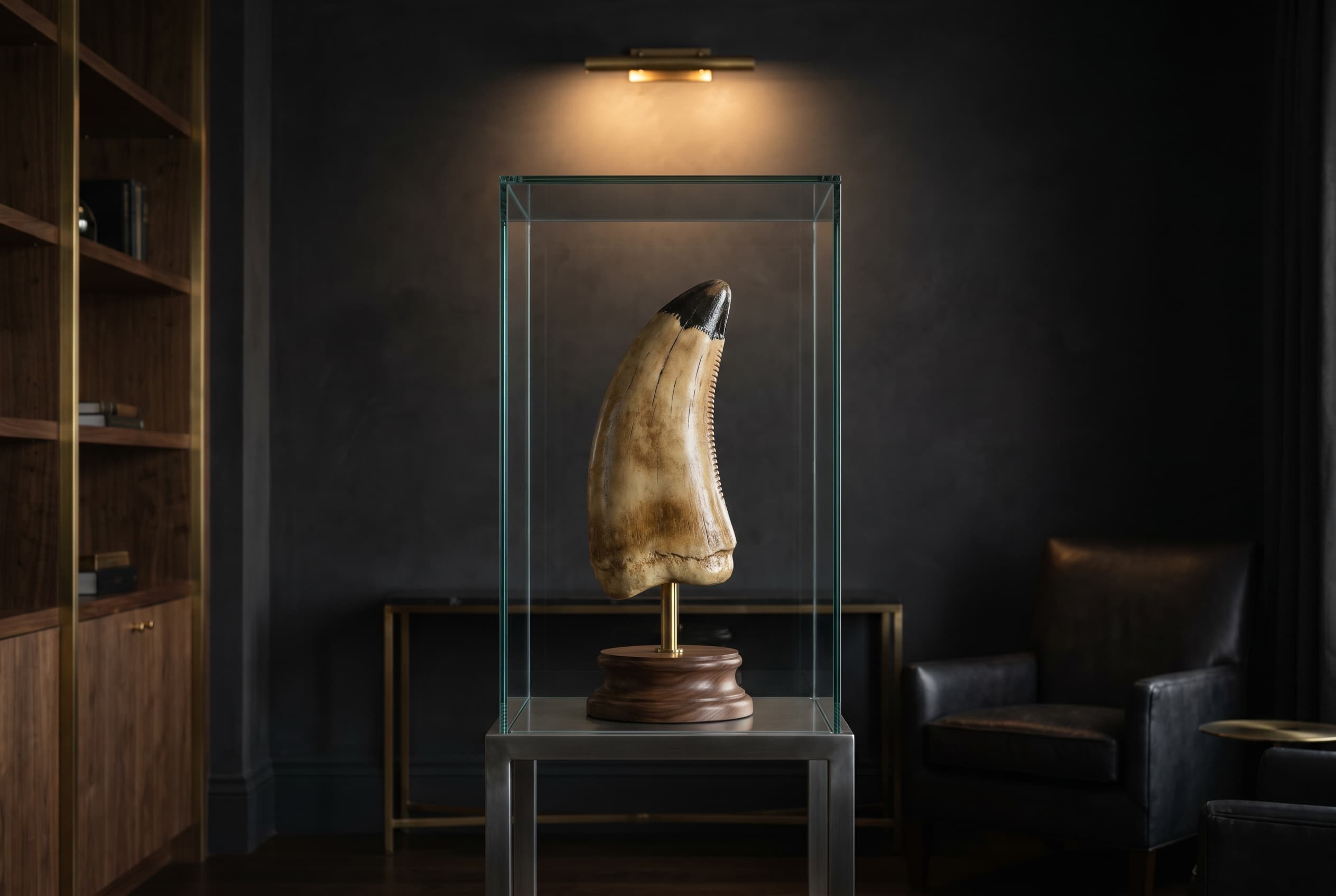
A one-to-one cast of a shed tooth, rendered with the coarse serrations and the broad, rounded cross-section that set this predator apart from its blade-toothed contemporaries. At roughly a foot in length it reads less as an ornament than as a quiet study object, the kind of piece that draws a hand toward it on a shelf or a desk.
The cast is finished by hand, the enamel surface given a faint sheen against the matte of the root so the form catches light the way the original would.
Tyrannosaurus teeth were thick and robust rather than knife-like, an adaptation suited to puncturing and crushing bone during feeding.
Including the root, the largest known examples approach a foot in length, the largest of any carnivorous dinosaur.
Serrations along each edge, together with the tooth's stout build, left distinctive feeding marks still found on bones from the period.
Hell Creek Formation · Montana & the Dakotas · Maastrichtian, ~68–66 million years ago
A tyrannosaur tooth is a blade with a root — as much as a foot in total length in a mature animal, thick in cross-section rather than knife-thin, built to take bone rather than slice flesh, and edged with serrations that functioned like a saw. Tyrannosaurus shed and regrew teeth continuously throughout life, which is why isolated teeth are the most frequently recovered tyrannosaur element in the Hell Creek badlands. Held in the hand at true size, it is the single most efficient argument for how large the animal was.
Visualisations — staged renders, not photographs. Drop your own room to preview a commission in place.
Begin a commission. Tell us where it will live, and we’ll take it from there — quote, cast, deliver, install, and light it in place.